Film Crew: Who Does What On Set?
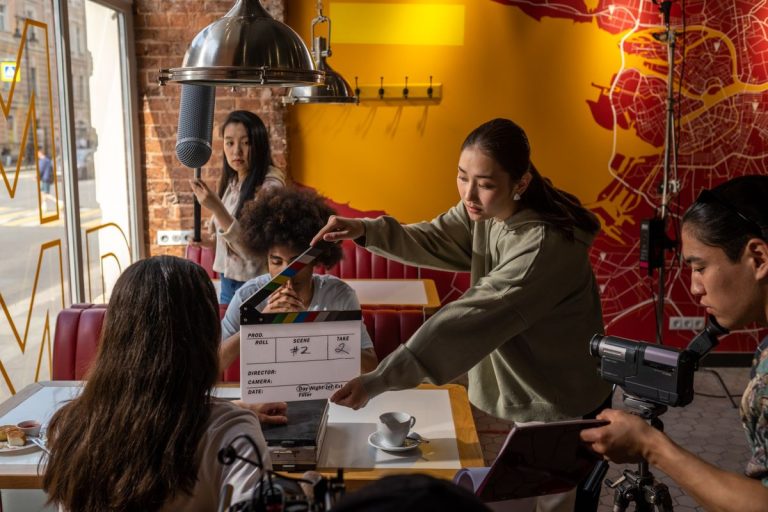
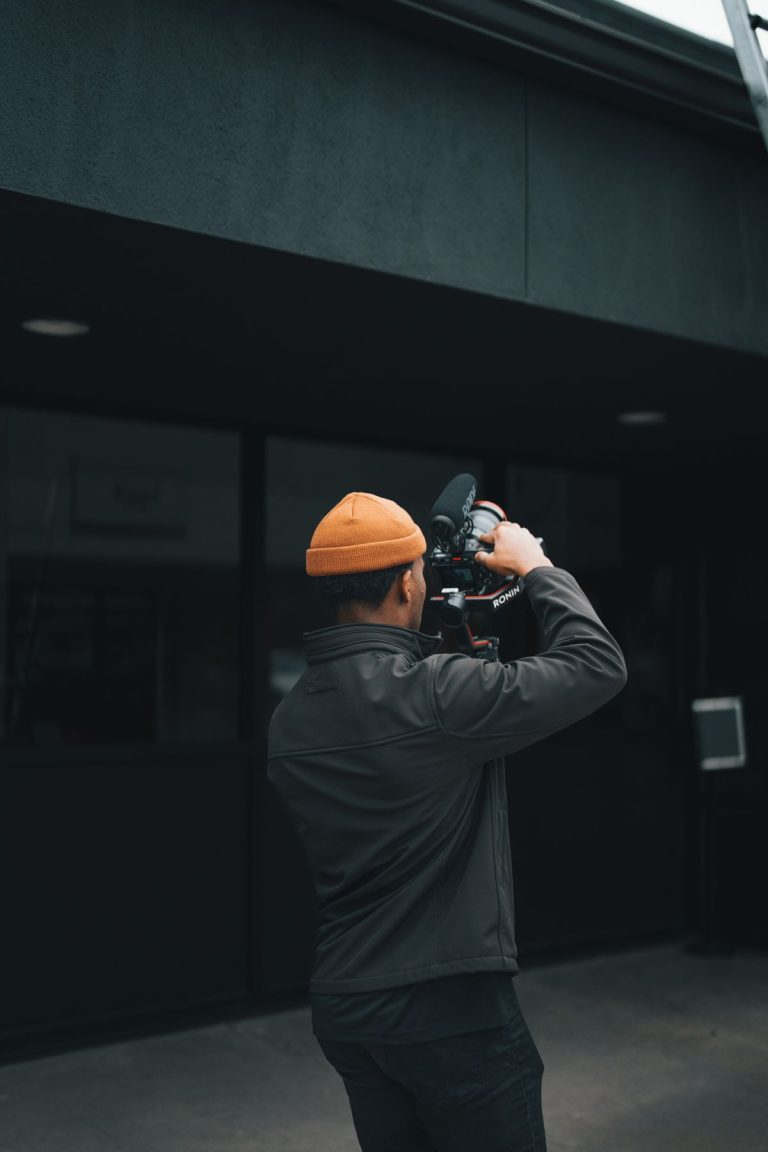
A professional film set runs on the coordination of many roles: director, cinematographer, production sound recordist, gaffer, props master, assistant director… Each department handles its own part of the work, but all work toward the same goal — delivering the shot the script calls for.
Production sound is often undervalued compared to image, yet it has a major impact on post-production quality. Clean, low-noise location recording significantly reduces the amount of ADR and audio clean-up needed later.
From Set to Post-Production
Every role on set contributes to the final film, but the work does not end when the director calls “cut.” The material captured during production becomes the foundation for the entire post-production process.
For the sound department, this means more than simply recording dialogue. A production sound team must capture clean dialogue while also documenting the acoustic environment of the location. Room tone, background ambience, wild tracks, and other useful production sounds can become valuable elements during editing and sound design.
The quality of these recordings directly affects the work that follows. When dialogue is captured clearly and consistently, editors and sound designers have more flexibility to shape the soundtrack without fighting excessive noise, distortion, reverberation, or unwanted background sounds.
The Production Sound Team
Depending on the scale of the production, the sound department may include several different roles. The Production Sound Mixer is responsible for the overall recording setup, microphone selection, gain structure, monitoring, and management of the recorded tracks.
A Boom Operator works closely with the camera and lighting departments to position microphones as close to the actors as possible while keeping them outside the frame. Good boom operation requires an understanding of blocking, camera movement, lighting, and the acoustic characteristics of the location.
On larger productions, additional sound assistants may be involved in equipment preparation, wireless systems, cable management, and other technical tasks.
Why Good Production Sound Matters
A strong production sound recording gives post-production more options.
When dialogue, ambience, and production effects are recorded properly, the post-production team can concentrate on storytelling rather than spending excessive time repairing problems that could have been avoided on set. ADR and noise reduction remain important tools, but they work best as part of a broader workflow rather than as a replacement for good location recording.
The best results come from cooperation between departments. Camera, lighting, directing, production, and sound all have different priorities on set, but they ultimately contribute to the same finished image and soundtrack.
At AT Studio, we approach film sound as a continuous process — from production recording and dialogue editing to sound design, Foley, ADR, mixing, and final delivery. Understanding what happens on set is therefore an essential part of understanding what happens in post-production.