Shooting on Location: Key Things to Keep in Mind
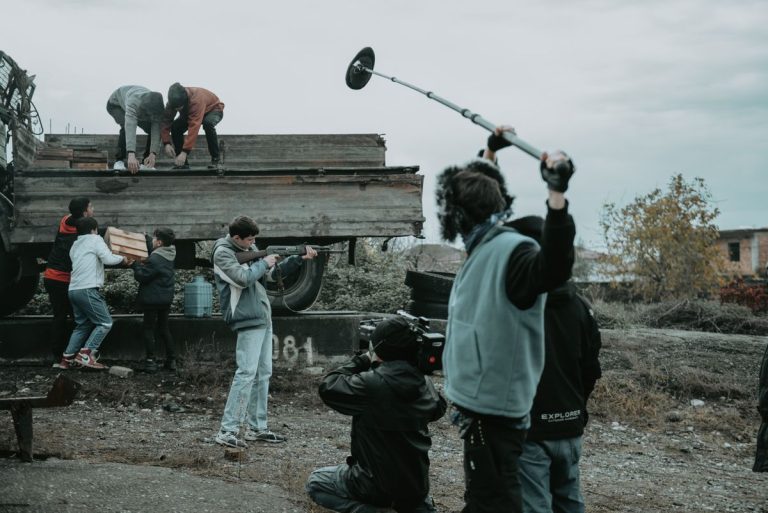
Location shooting delivers authentic imagery but brings its own challenges: light that shifts with the weather, ambient noise that affects sound recording, and more complex equipment logistics than on a controlled studio set.
Scouting a location before the shoot lets the crew anticipate lighting, sound, and logistics issues in advance — for example, scheduling the shoot during quieter hours, or bringing in portable sound-blocking equipment when needed.
Why Location Scouting Matters
A location may look suitable when viewed in photographs or during a short visit, but the conditions can change significantly once the production begins.
The crew needs to consider how the location behaves at different times of day, how sunlight moves through the space, where electrical power is available, how equipment can be transported and where the crew can work safely.
For sound, the surrounding environment is especially important. A location that seems quiet during a scout may become noisy during the scheduled shooting period because of traffic, nearby construction, aircraft, businesses or other activities.
Identifying these factors early gives the production team more time to adjust the schedule or prepare alternative solutions.
Light Can Change Throughout the Day
Natural light is one of the main advantages of shooting on location, but it is also one of the least predictable elements.
Cloud cover, direct sunlight and changing weather can alter the brightness and color of a scene. The position of the sun also changes throughout the day, affecting shadows, contrast and continuity between shots.
The cinematography team may therefore need to plan carefully around the available natural light and prepare additional lighting equipment when greater control is required.
Even a short delay between shots can change the lighting conditions enough to create continuity problems, particularly when filming outdoors.
Sound Is Part of the Location
A location is not only a visual environment. It is also an acoustic environment.
Traffic, construction, ventilation systems, crowds, animals, electrical equipment and other background sounds can become part of the production recording. Some of these sounds may be difficult or impossible to remove completely in post-production.
This is why sound teams often evaluate a location before filming and identify potential sources of noise. In some cases, the production schedule can be adjusted to avoid predictable noise. In others, the crew may use sound blankets, barriers or other temporary solutions to reduce unwanted sound.
The goal is not necessarily to make the location completely silent, but to obtain production sound that is clean and usable for the final soundtrack.
Equipment and Logistics
Shooting outside a controlled studio environment usually requires more logistical planning.
Camera, lighting, sound and grip equipment may need to be transported to locations with limited vehicle access, narrow entrances or difficult terrain. Power availability can also affect which equipment can be used and how long the production can operate.
For sound departments, this may include planning for portable recorders, wireless systems, microphones, batteries, monitoring equipment and appropriate wind protection.
Weather protection is another consideration. Rain, humidity, dust and extreme temperatures can affect both equipment and the working conditions of the crew.
Planning these details before the shooting day helps reduce delays and allows the crew to focus on the production itself.
Location Shooting Requires Coordination
Because conditions can change quickly, location shooting requires close coordination between departments.
Changes in lighting may affect camera and lighting teams. Environmental noise can affect production sound. Weather conditions can influence both departments at the same time, while logistical limitations may require changes to the shooting plan.
Good communication allows these issues to be identified before they become problems that affect the entire production.
Preparing for the Unexpected
Even a carefully scouted location can produce unexpected challenges once filming begins.
A previously quiet street may become busy, weather can change suddenly, or an environmental sound that was not present during the scout may appear during a take.
For this reason, location planning should include alternative options whenever possible. Having a backup schedule, additional sound equipment, lighting solutions or an alternative nearby location can give the production more flexibility when conditions change.
A Good Location Is More Than a Good Image
A successful shooting location needs to work for the entire production, not only for the camera.
The visual appearance, natural light, acoustic environment, access, power, safety and equipment requirements all contribute to whether a location is practical for filming.
By scouting carefully and considering these factors before the shoot, the production team can reduce avoidable problems and create better conditions for both image and sound.
Location shooting may bring more variables than a controlled studio environment, but good preparation allows those variables to become manageable parts of the production process.