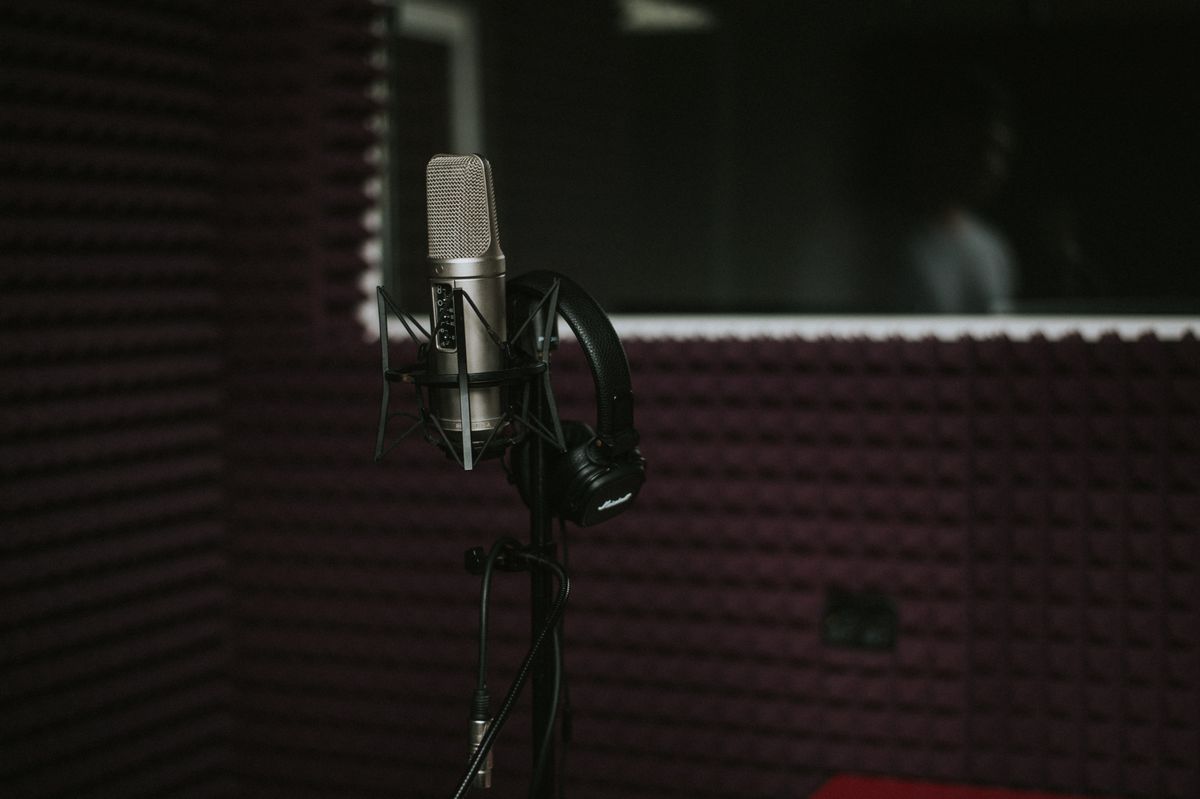
What Makes a Professional Recording Studio?
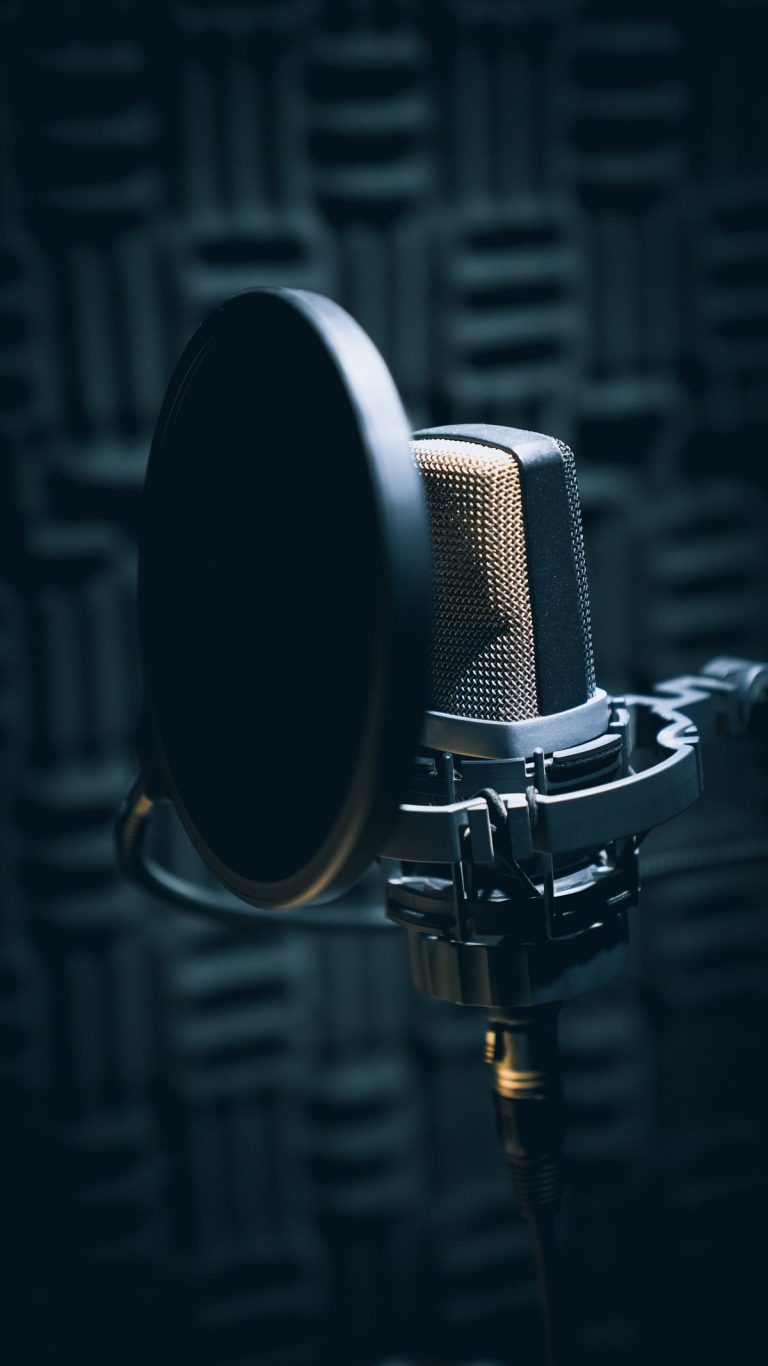
A studio built for dubbing, music recording, or mixing needs good soundproofing (keeping outside noise out) and proper acoustic treatment (controlling reverberation inside the room). These are two different things that are often confused as one.
Beyond room acoustics, the gear — microphones, mixing console, monitor speakers — also needs to match its purpose: recording dialogue, recording instruments, or mixing and mastering each demand different frequency response and precision.
Soundproofing and Acoustic Treatment
Soundproofing and acoustic treatment address two different problems.
Soundproofing focuses on controlling the transmission of sound between the studio and its surroundings. A well-isolated room helps prevent outside noise from entering the recording space and reduces the amount of studio sound escaping into neighboring areas.
Acoustic treatment, on the other hand, focuses on what happens to sound inside the room. Walls, ceilings, floors, and acoustic materials affect reflections, reverberation, resonances, and the overall response of the space.
A room can therefore be well soundproofed but still have poor acoustics. Conversely, a room can sound acoustically controlled from the inside while still allowing significant noise from outside to enter.
For a professional studio, both aspects need to be considered according to the intended use of the room.
Choosing the Right Equipment
Studio equipment is not simply a matter of choosing the most expensive microphone or mixing console available. The equipment needs to support the specific work being carried out in the room.
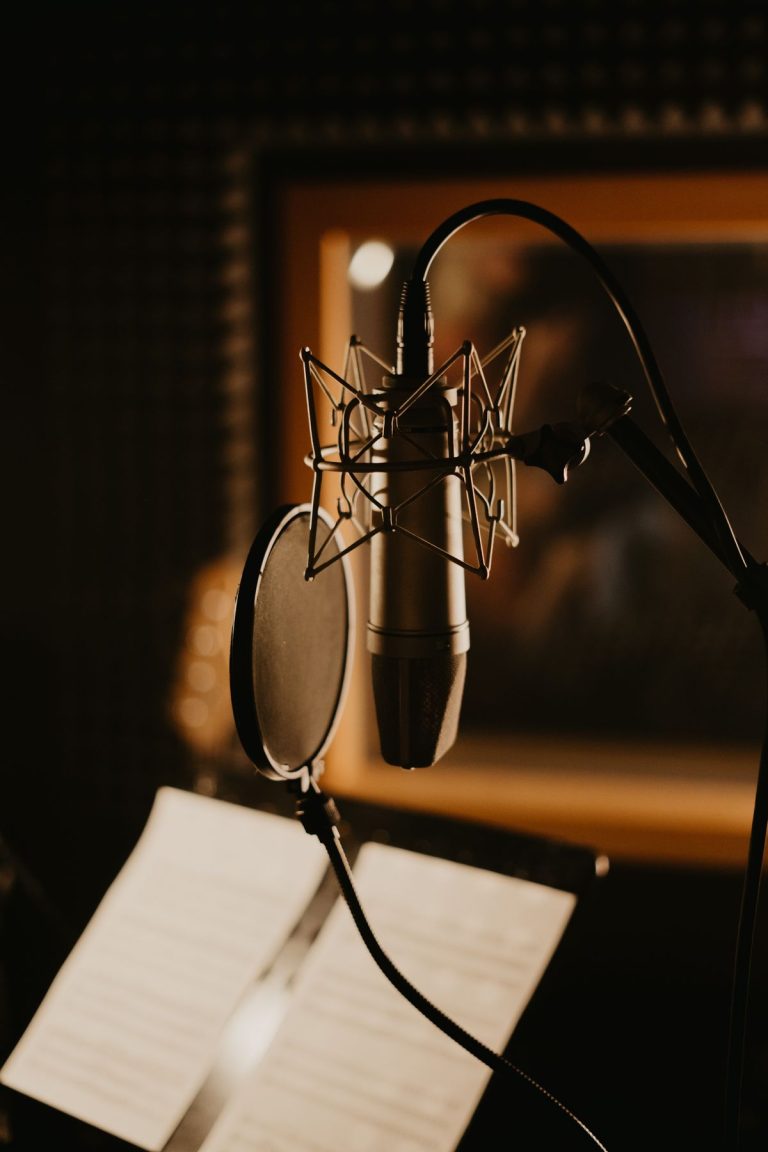
For dialogue recording, microphone selection, low self-noise, clean preamplification, and reliable monitoring are important. For music recording, the requirements can vary depending on the instruments, performers, recording techniques, and desired sound.
Mixing rooms have different priorities. Accurate monitoring and a controlled listening environment are essential because engineers need to make decisions based on what they hear rather than on coloration introduced by the room or monitoring system.
The signal path also matters. Microphones, preamps, converters, interfaces, monitoring systems, and other components all form part of the recording or monitoring chain. Each stage can influence the quality and reliability of the final result.
Monitoring Is Part of the Studio
A professional studio is not defined only by its recording equipment. The ability to accurately monitor sound is equally important.
Monitor speakers should work together with the room in which they are installed. Their placement, listening position, room response, and acoustic treatment all affect what the engineer hears.
This is particularly important during mixing. If certain frequencies are exaggerated or reduced by the room, an engineer may compensate for problems that are not actually present in the recording. A properly designed monitoring environment helps make those decisions more reliable.
For larger post-production environments, the monitoring system may also need to support specific formats such as stereo, 5.1, 7.1, or other multichannel configurations depending on the project’s delivery requirements.
A Studio Should Be Designed Around Its Workflow
The purpose of a professional studio goes beyond having good equipment in a well-treated room. The entire environment should support the workflow of the people using it.
A dubbing studio may prioritize clear dialogue monitoring, comfortable communication between performers and engineers, and reliable synchronization with picture. A music recording room may require flexible microphone positions, isolation between instruments, and suitable spaces for different performers.
A post-production facility may instead need accurate monitoring, dedicated editing and mixing systems, synchronization, routing, and reliable integration between audio and picture.
This is why there is no single definition of the “perfect” recording studio. The appropriate design depends on what the studio is built to do.
What Makes a Studio Professional?
A professional recording studio is ultimately a combination of several elements working together: acoustic design, sound isolation, appropriate equipment, accurate monitoring, reliable technical systems, and a workflow designed around the needs of the project.
Good equipment alone does not guarantee good results. Likewise, an acoustically treated room cannot compensate for an unsuitable workflow or poorly maintained technical system.
The goal is to create an environment where engineers, artists, directors, and other professionals can make accurate decisions and focus on the creative work — while the technical infrastructure remains reliable and predictable in the background.
For recording, dubbing, music production, and film post-production, the studio should therefore be considered not simply as a room containing equipment, but as an integrated system designed around sound.