What Is ADR? Why Post-Production Needs Dialogue Replacement
ADR (Automated Dialogue Replacement) is the technique of re-recording dialogue in a studio after shooting, to replace on-set lines that were too noisy, technically unusable, or need a content change.
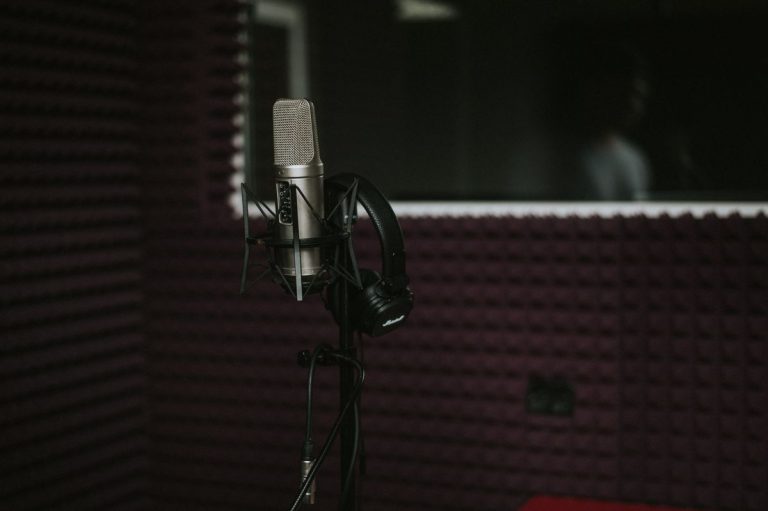
Actors watch the scene back and re-perform their lines in sync with their lip movements inside a dedicated studio. This step requires close coordination between director, sound engineer, and actor to keep the emotion of the re-recorded line feeling as natural as it did on set.
Why Is ADR Necessary?
Even when production sound is recorded carefully, some dialogue may not be usable in the final mix.
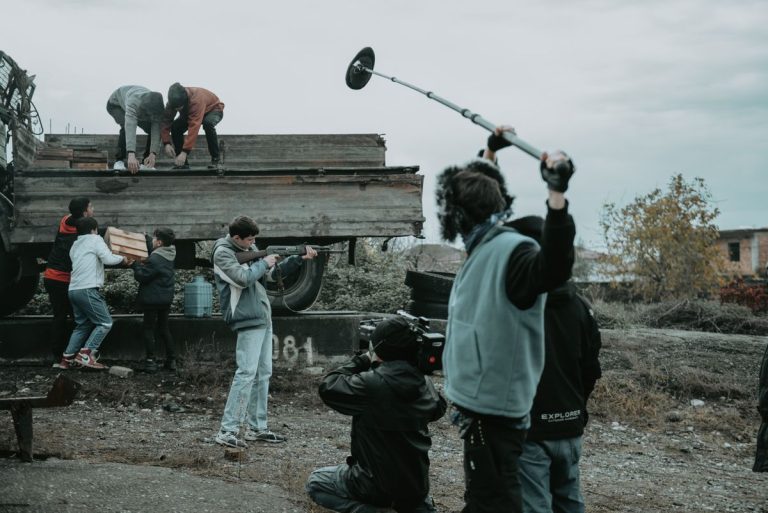
Traffic, construction, wind, aircraft, generators, air conditioning, crowd noise, or other sounds on location can interfere with an actor’s voice. In some situations, the original recording may also contain technical problems such as distortion, excessive background noise, microphone movement, or other unwanted sounds.
ADR provides a way to replace these lines without having to reshoot the entire scene.
It can also be used when dialogue is changed after filming. A line may be rewritten to clarify the story, correct information, or reflect changes made during the editing process.
How Does an ADR Session Work?
ADR normally begins with the picture editor or post-production team preparing the scenes and dialogue that need to be replaced.
During the session, the actor watches the selected scene on a screen while listening to a reference track. The actor then performs the line repeatedly, matching the timing and intention of the original performance.
The sound engineer records multiple takes and monitors the technical quality of each recording. The director or ADR supervisor focuses on the performance, timing, pronunciation, and emotional continuity with the original scene.
Several takes may be recorded for the same line. This gives the post-production team more options when selecting the final performance.
Matching the Original Performance
Recording the words again is only part of the process. The new dialogue also needs to feel as though it was recorded in the original environment.
The actor may need to reproduce the same breathing, intensity, pauses, rhythm, and emotional state as in the production recording. Small differences in performance can become noticeable when the ADR is edited together with production dialogue from another shot.
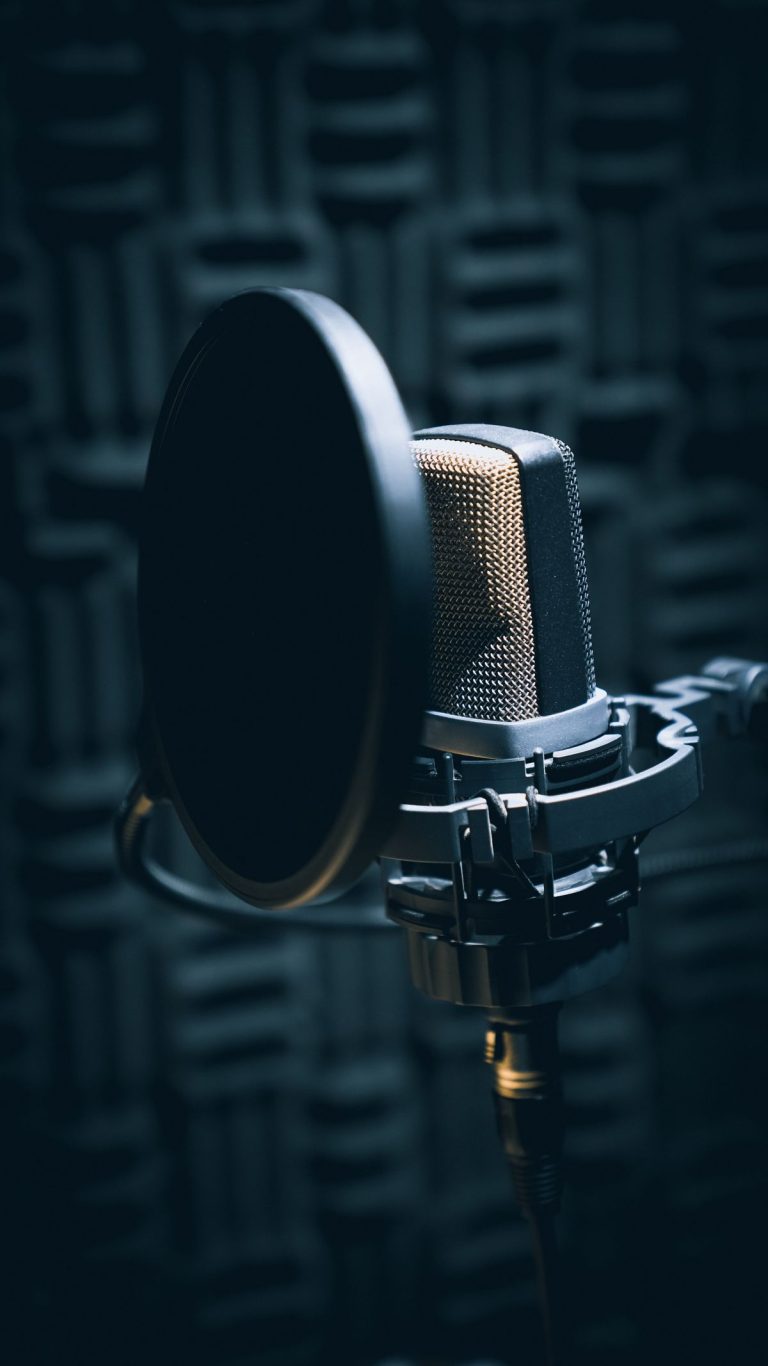
The recording environment also needs to be considered. Microphone choice, distance, room acoustics and performance technique can all affect how the new dialogue sounds.
For this reason, ADR is not simply a matter of asking an actor to repeat a line in a quiet room. It is a process of recreating a believable performance and recording condition for the final soundtrack.
ADR and the Production Sound
ADR does not necessarily mean that all original production dialogue is replaced.
In many projects, production sound remains the primary source whenever it is clean and usable. ADR is then used selectively for individual lines, phrases or scenes that require replacement.
The post-production team may combine production dialogue and ADR within the same scene. Careful editing and processing are required to make the transition between the two sources feel seamless.
This is one reason why high-quality production sound remains important even when a project has access to ADR. The cleaner the original recordings are, the more choices the sound team has during post-production.
ADR in the Sound Post-Production Workflow
After recording, the ADR material is edited and prepared for the sound editing and mixing stages.
The selected takes are synchronized to the picture, cleaned where necessary, edited for timing and integrated with the rest of the dialogue tracks. Equalization, dynamics processing, ambience and other treatments may then be used to help the ADR match the production recordings.
In some cases, additional room tone or background ambience is required around the ADR line so that it does not sound as though the actor suddenly moved into a different acoustic space.
The final goal is for the audience to hear a continuous performance rather than noticing which lines were recorded on set and which were recorded later.
ADR Is Part of a Larger Process
Dialogue replacement is only one part of film sound post-production.
Once dialogue has been edited and prepared, the soundtrack can be expanded with Foley, ambience, sound effects, sound design and music. All of these elements are eventually balanced together during the mixing stage.
A well-recorded ADR session therefore does more than provide a technically clean replacement. It gives the post-production team another usable source that can be integrated into the complete soundtrack.
ADR is ultimately a tool for maintaining dialogue quality, performance continuity and storytelling flexibility when production sound alone cannot provide everything the final film requires.