Choosing the Right Microphone for Each Need
There’s no single microphone that fits every situation. Condenser mics are highly sensitive and suit controlled studio environments; dynamic mics are more rugged, handle high sound pressure levels well, and are common for direct field recording.
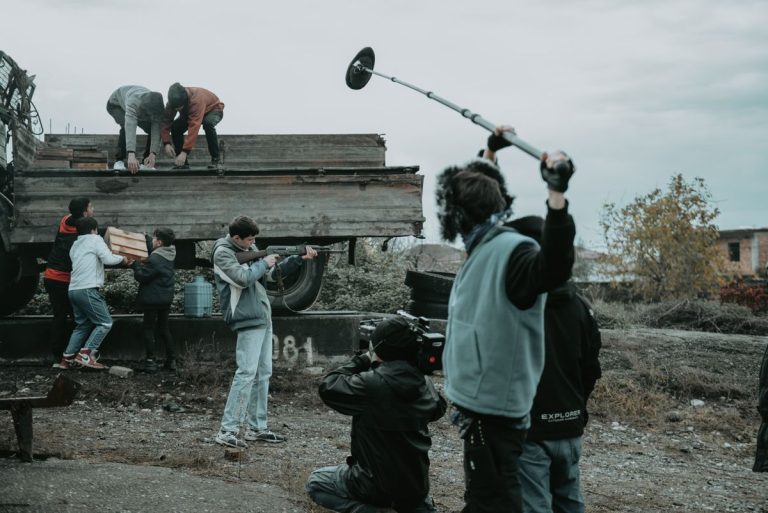
For synchronized sound on set, a shotgun mic mounted on a boom pole is the most common choice, thanks to its tight pickup pattern that reduces ambient noise while keeping an actor’s dialogue sounding natural.
Understanding Microphone Pickup Patterns
Microphones do not capture sound equally from every direction. Their pickup pattern determines how sensitive they are to sound arriving from different parts of the surrounding environment.
A cardioid microphone primarily picks up sound from the front while reducing sensitivity to the rear. Supercardioid and hypercardioid microphones provide a narrower front pickup and are often useful when greater directional control is needed.
Shotgun microphones take this principle further. Their interference tube design helps achieve a highly directional pickup pattern, making them particularly useful for isolating dialogue from surrounding sound when recording on set.
However, directionality does not mean that a microphone completely removes unwanted noise. Reflections, nearby sources, wind, and sounds arriving from different angles can still affect the recording. Microphone placement remains one of the most important factors in achieving clean production sound.
Condenser and Dynamic Microphones
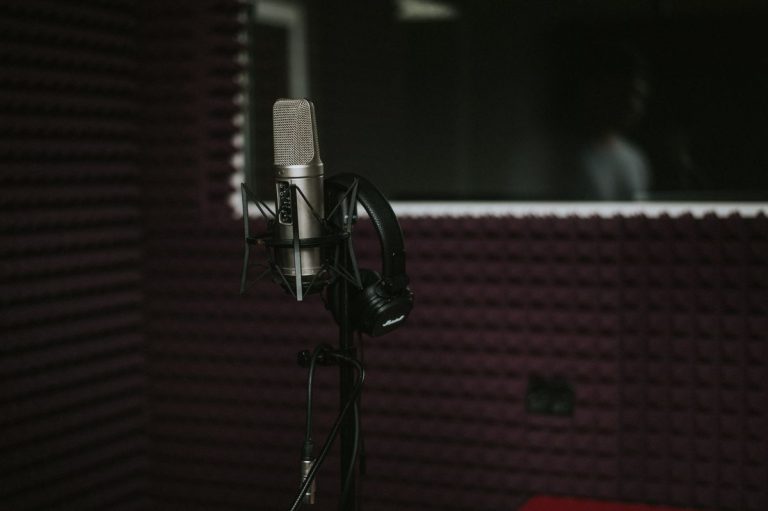
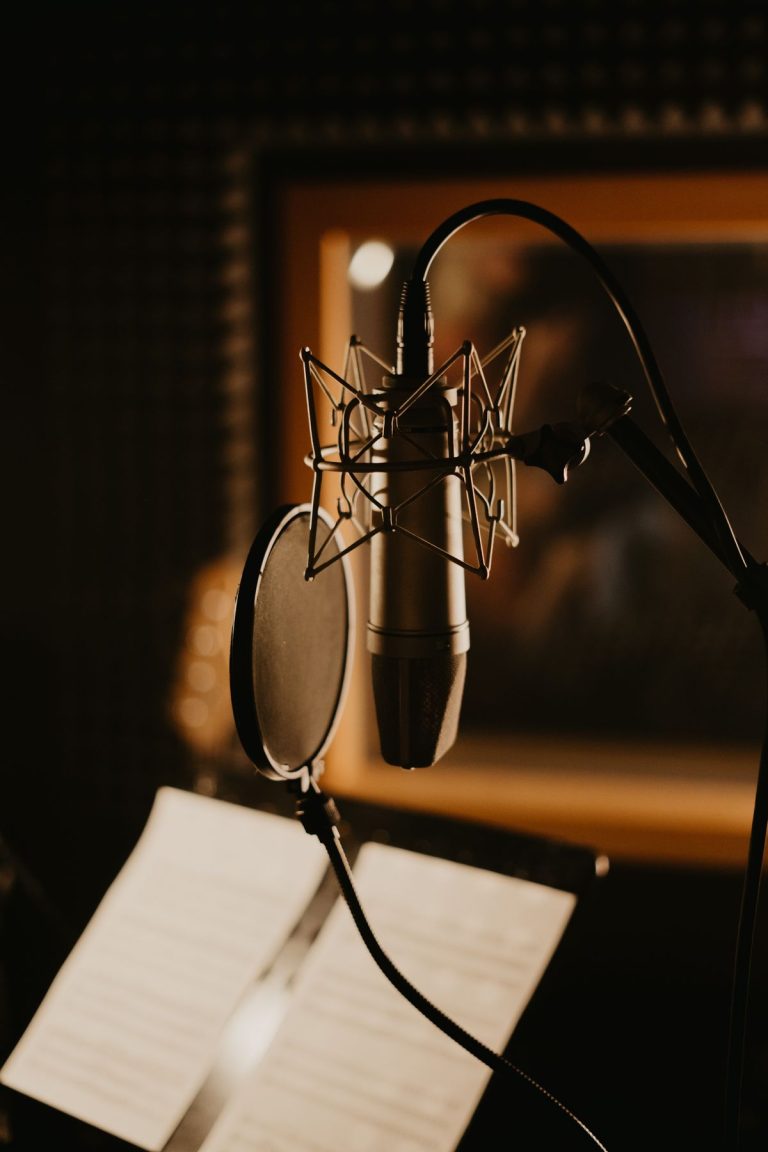
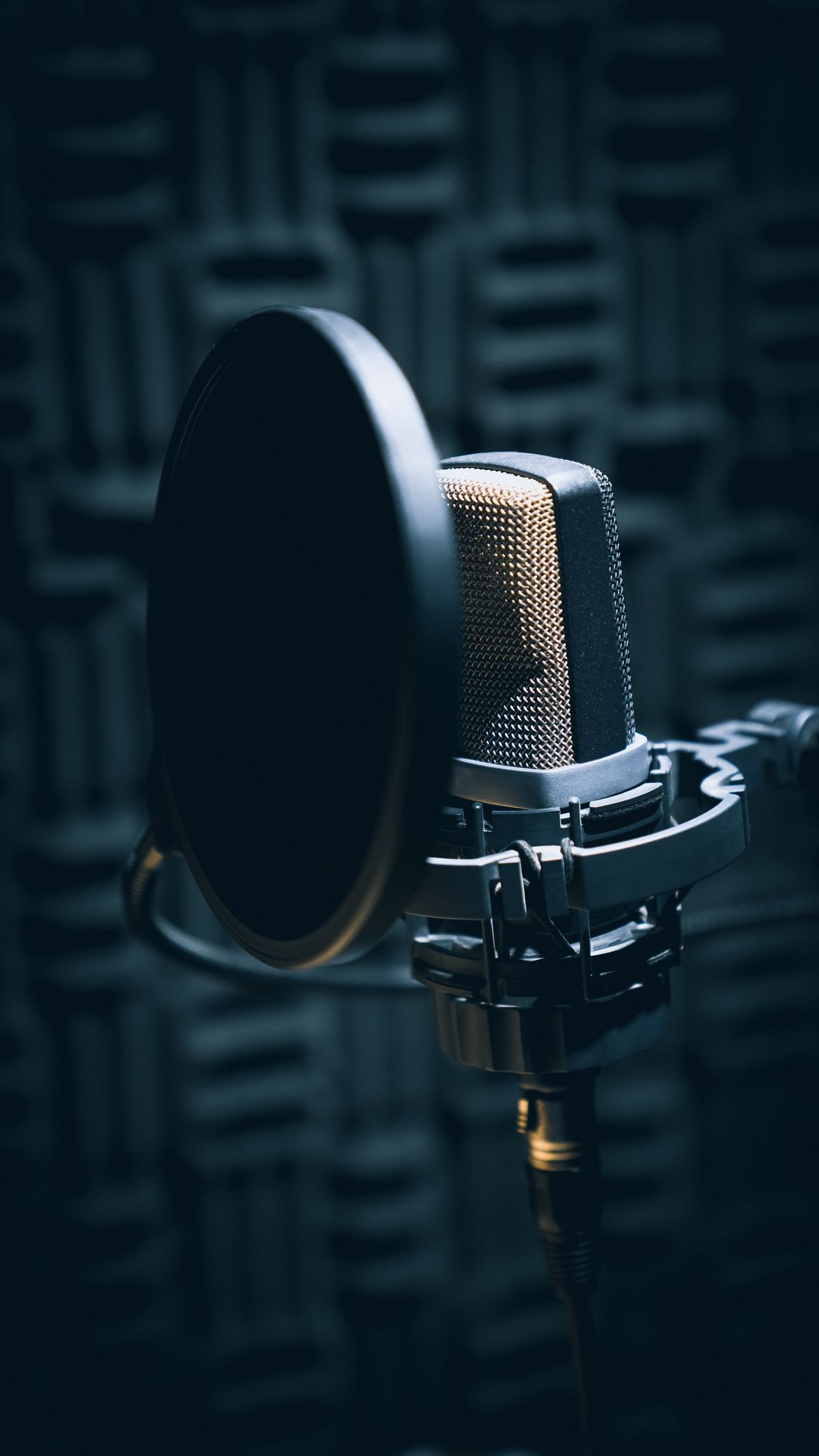
Condenser microphones are known for their sensitivity and detailed response. They are commonly used in controlled environments such as recording studios, voice-over rooms, and music recording spaces.
Their sensitivity allows them to capture subtle details and variations in performance, but it also means that they can reveal unwanted room noise, vibration, or other environmental sounds. This makes the acoustic environment particularly important when using a condenser microphone.
Dynamic microphones generally have a more rugged construction and can handle high sound pressure levels. They are widely used for live sound, certain music recording applications, and situations where durability and resistance to demanding conditions are important.
Neither type is universally better. The appropriate choice depends on the source, the environment, the desired sound, and the technical requirements of the recording.
Choosing a Microphone for Production Sound
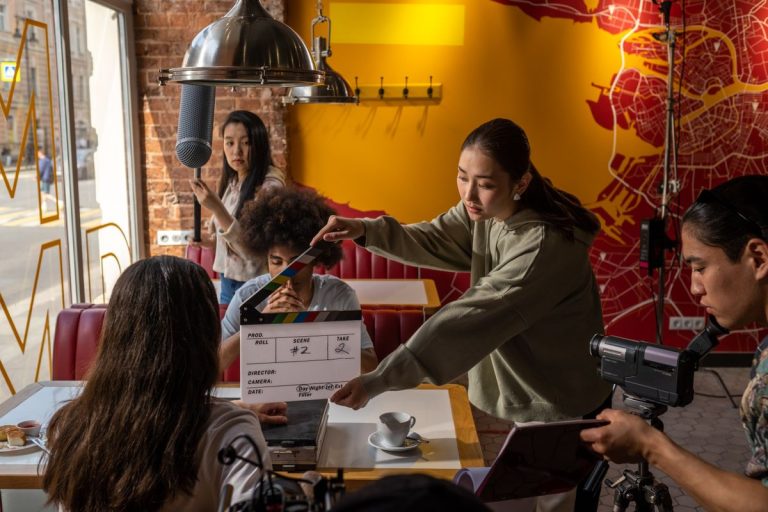
Recording dialogue on a film set presents a different set of challenges from recording in a studio.
The microphone needs to remain close enough to the actor to capture a strong and clear signal, while staying outside the camera frame. At the same time, the boom operator may need to follow actors as they move through the scene.
A shotgun microphone mounted on a boom pole is therefore a common solution for production dialogue. In some situations, however, a lavalier microphone may also be used, particularly when the boom cannot be positioned close enough or when the actor’s movement makes boom operation difficult.
Wireless lavalier systems can provide additional flexibility, but they also introduce other considerations such as clothing noise, radio-frequency interference, battery management, and microphone placement.
In professional production, the choice is often not about selecting one microphone and using it for everything. Different microphones and recording techniques can complement each other and provide additional options during post-production.
Placement Matters as Much as the Microphone
Even an excellent microphone can produce poor results when it is positioned incorrectly.
For dialogue recording, getting the microphone closer to the sound source generally improves the ratio between the desired signal and environmental noise. This is one reason boom operation is such an important part of production sound.
The boom operator must also consider the camera frame, lighting, actor movement, shadows, and the position of other equipment on set. A technically ideal microphone position may not always be practical, so recording good sound requires constant coordination with the rest of the crew.
Wind protection is another important consideration when recording outdoors. Wind can create strong low-frequency noise and can easily overwhelm otherwise clean dialogue. Appropriate wind protection helps maintain a usable recording in changing outdoor conditions.
The Microphone Is Only One Part of the Signal Chain
The microphone is the first major stage in the audio signal chain, but it is not the only factor determining recording quality.
The microphone signal passes through other stages such as cables, wireless transmitters and receivers when used, microphone preamps, recorders, converters, and monitoring systems. Each stage needs to operate reliably and with appropriate gain structure.
For production sound, the recording system must also be synchronized with picture and configured to capture enough dynamic range without introducing unnecessary noise or distortion.
Good microphone selection therefore works together with proper placement, gain management, recording technique, monitoring, and a suitable acoustic environment.
Choosing the Right Tool for the Job
The best microphone is not necessarily the most expensive or technically impressive model. It is the one that works appropriately with the source, environment, and purpose of the recording.
A controlled studio session may call for a sensitive condenser microphone. A demanding live environment may benefit from the durability of a dynamic microphone. A film set may require a shotgun microphone on a boom, a lavalier, or a combination of both.
Understanding these differences allows a sound team to make practical decisions before and during recording — helping ensure that the material captured on the day remains clean, natural, and flexible enough for post-production.